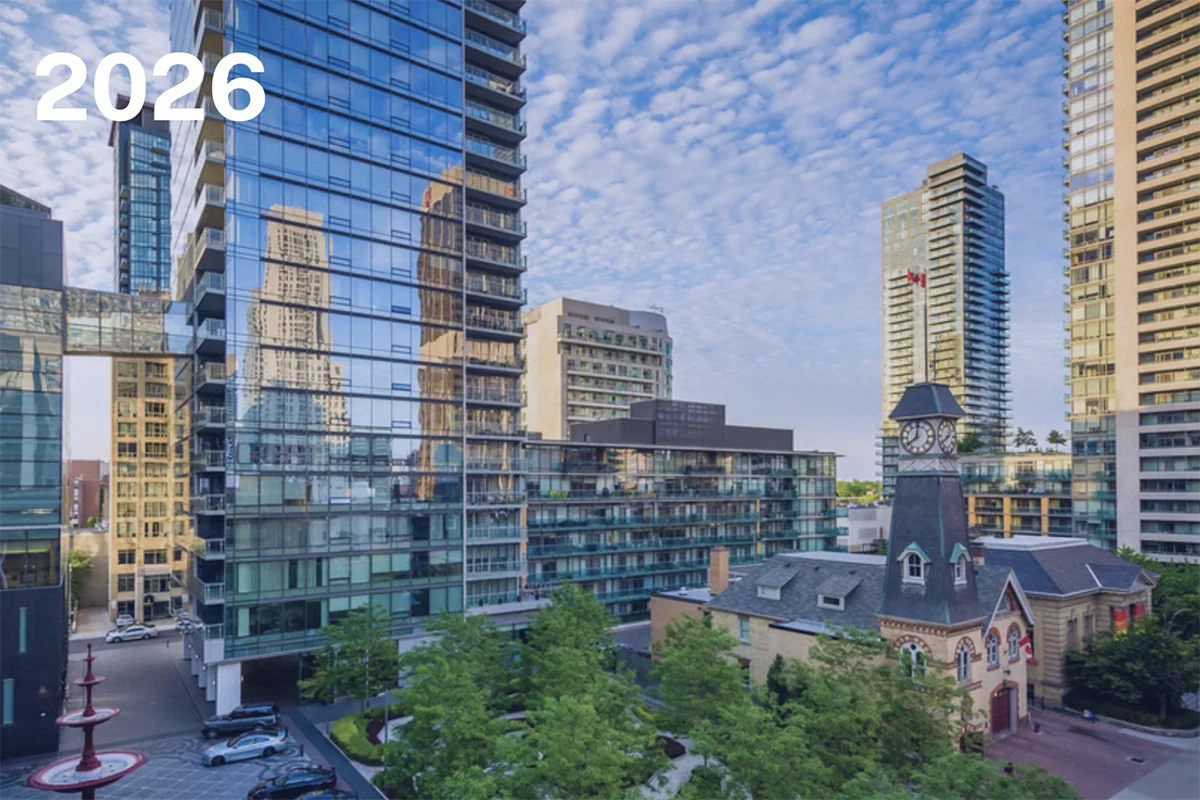
Park surrounded by tall buildings and historic yellow brick firehouse with clock tower

Comprehensive urban policy and design guidebook

Recent redevelopment pressures are significantly reshaping neighbourhoods across Toronto, particularly around major transit corridors. In the Bayview–Eglinton area, these changes highlight several key issues related to density, affordability, transportation infrastructure, and community engagement.

The goal of the Guidebook is to draw from not only policies, but also the direct experiences and connection that the MUCP team built over the academic year 2025-26 with Bayview/Leaside residents.


Read more

Signpost with cloudy sky and hills in background

Provincial overreach

Toronto, along with municipalities across Ontario, has suffered an avalanche of provincial laws, regulations, and policies affecting planning and development, all without prior consultation or engagement with the City of Toronto and its residents. As a result, residents are largely unaware both of the changes, and their impacts, and of how the City has responded to them.

Read more

Large deciduous street trees with fall colours lining a street.

Growing space for trees: : Protecting and enhancing the tree canopy while supporting infill housing and addressing concerns with iceberg homes – Recommendation Report

We strongly support the Growing Space for Trees concept and the proposed policy direction intended to (a) protect and enhance the tree canopy while supporting Infill Housing and (b) address concerns with Iceberg Homes.

Read more

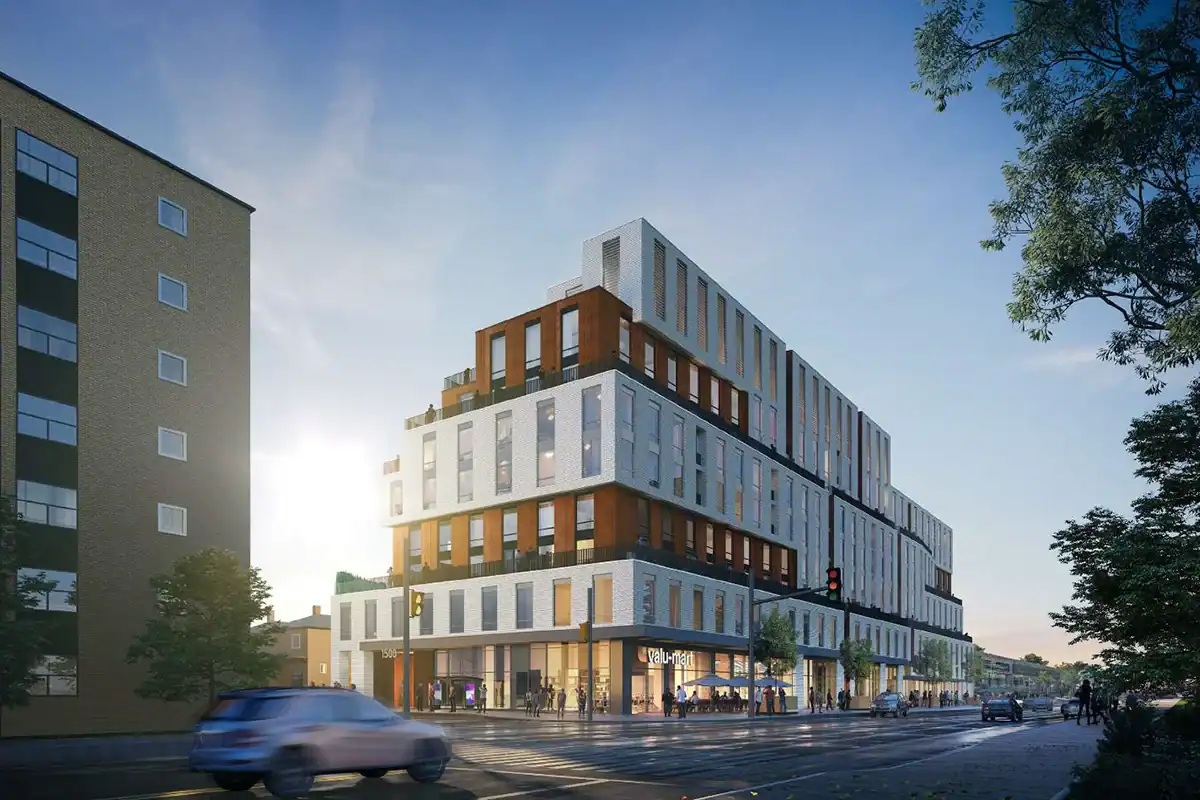
Mid-rise building on busy street

Housing Action Plan: Avenues Policy Review Phase 2, Wards 9 & 11

The report, dealing with Wards 9 and 11, represents the first stage in the implementation of the Avenues Policy Review to “modernize” policies and zoning to enable mid-rise buildings along Avenues. The report studies new and previously re- examined Avenues to determine where redesignation to Mixed Use Areas or Apartment Neighbourhoods with corresponding zoning is appropriate to enable mid- rise development.

Read more

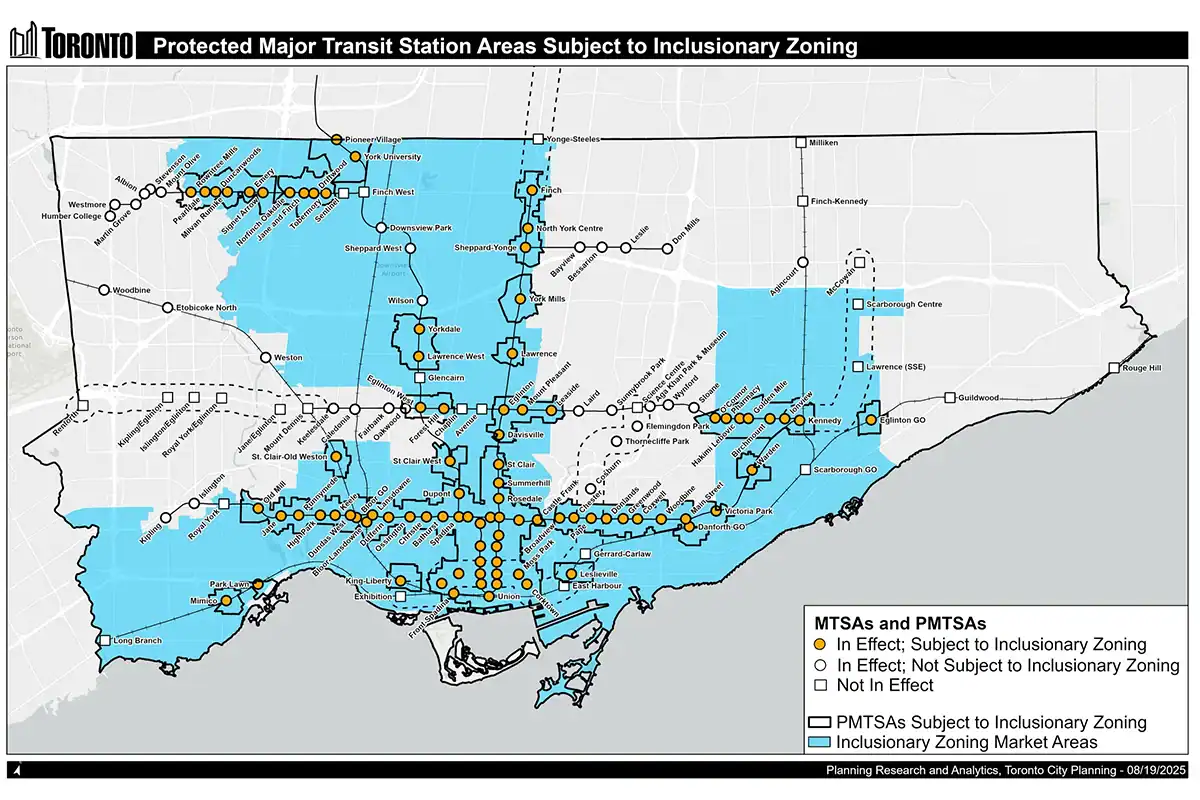
map of major transit areas city of toronto

Major Transit Station Areas (MTSAs) & Protected Major Transit Station Areas (PMTSAs) in-effect

On August 15, 2025, the Minister of Municipal Affairs and Housing approved six OPAs bringing new policies for 25 MTSAs and 95 PMTSAs into force and effect. The Minister’s Decisions made modifications to the height and density of the Council-adopted OPAs, increasing permitted building heights and densities near transit. The approval of these OPAs brings Inclusionary Zoning policies into effect in certain PMTSAs.

Read more

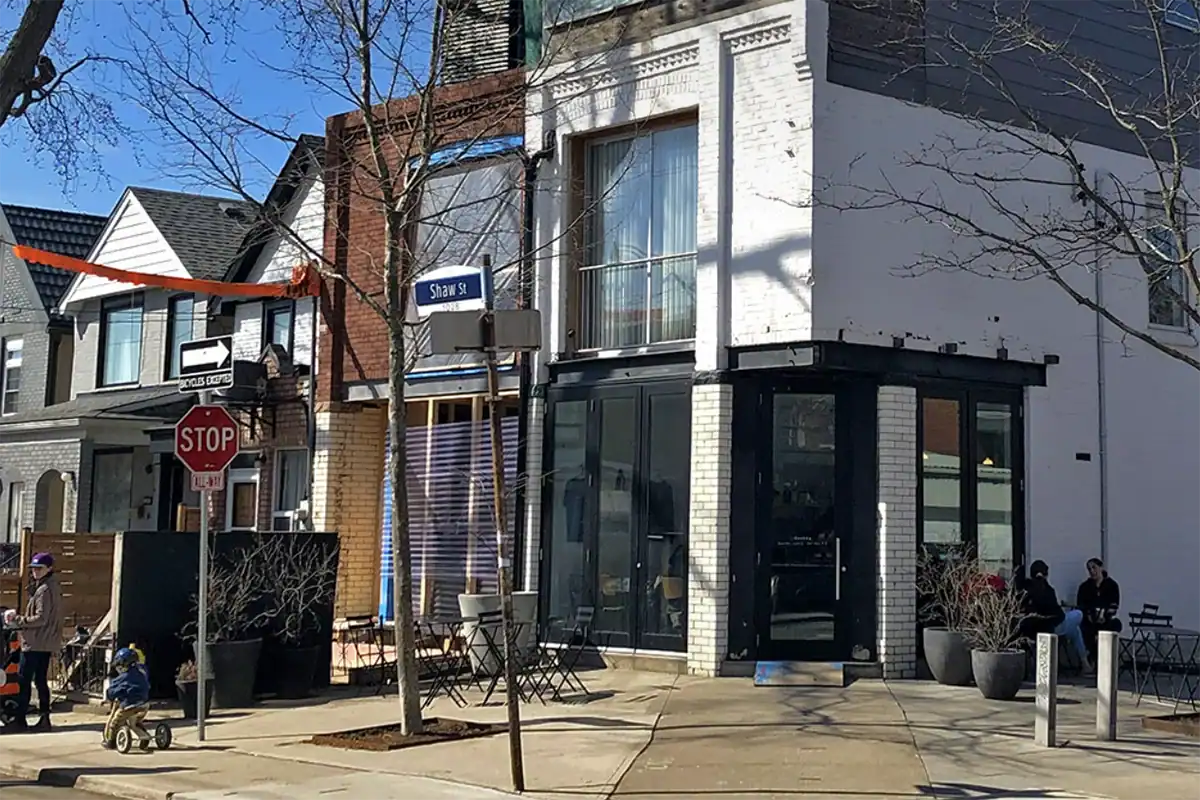
Corner store in residential area in Toronto.

Retail on major streets

The initiative would permit a range of businesses with patios, including cafés, restaurants, bars, retail stores, and professional offices. This would apply  residential properties currently located on Major Streets, and selected corner lots on Community Streets. The by-laws allowing these uses were adopted and partially adopted on November 12, 2025.

Read more

polluted water from sewage pipe flowing into lake

Ontario Place sewer plan an environmental disaster

We are writing in opposition to the Ontario Government’s combined sewer overflow work (CSO) at 955 Lakeshore Boulevard West (Ontario Place) that has the clear potential to spread polluted water, including sewer run off, into the West Channel around West Island at Ontario Place and the planned ‘new beach’. Combined overflow outlets run counter to herculean efforts to clean up Lake Ontario: the discharge will pollute a heavily used part of the waterfront.

Read more

Improving Community Consultation – Housing Action Plan

FoNTRA requeststhat consideration of the report be deferred to allow for proper communication, engagement and consultation for its proposals and recommendations.

FoNTRA supports the objectives of the Housing Action Plan, but the detailed recommendations introduce many changes and the Draft Bylaw which includes the zoning provisions, zoning maps and height maps was only made public a day and a half before the Committee meeting, with inadequate time to review. In addition, drawings to show the new proposals have not been provided.

Read more

Vancouver 4-plex

Could a housing revolution transform Canadian cities?

A new type of home called a fourplex is being hailed as the answer to Canada’s acute housing shortage. But why is there so much opposition?

Proponents of fourplexes, which include the Canadian government, hope they will spread out across the country. They want them to provide the “missing-middle” between large apartment buildings and single residency houses.

(The) opposition centres on a fear that long-existing Canadian suburbs of single-family homes will have their character irretrievably changed if fourplexes are forced upon them.

Read more

Yonge and Eglinton houses with construction in background

City of Toronto comments on Bill 185

FoNTRA is in strong support of the Recommendations in the Report from the Interim Chief Planner and Executive Director, City Planning, as amended by the Planning and Housing Committee on May 9, 2024.

We are particularly concerned about especially the removal of residents’ right to appeal Ontario Land Tribunal (OLT) decisions, which amounts to a serious loss of our democratic rights as citizens.

Read more

Leaside Business Park

Employment area policy proposals

The amendment to the provincial definition of “area of employment” narrows the scope of uses from what is currently permitted in areas of employment. In particular, it expressly excludes from the definition institutional uses and commercial uses, including retail and office uses that are not associated with manufacturing, warehousing, and research and development in connection with manufacturing.

Up to now the Leaside and other Business Parks has been protected though Official Plan policies and zoning bylaws, and Ontario Municipal Board decisions that have respected the Employment Lands boundaries and policies therein. However, under Bill 97, Municipal Comprehensive Reviews would no longer be required, creating open season on employment area conversions, creating uncertainty for employers, and reducing future opportunities for Ontario businesses to grow within their markets.

Read more

Tree canopy - Toronto

Infill housing and protecting Toronto’s tree canopy

We strongly support the identification of potential strategies to protect and enhance the City’s tree canopy and growing space for trees, while also supporting infill housing growth in Toronto’s low-rise neighbourhoods.

However, we note the multiple previous reports to, and motions adopted by City Council, as documented by the Long Branch Neighbourhood Association (LBNA) in its PHC submission on the same item that leads to their recommendation that the effort needs to be hastened and expedited.

Read more

New mid-rise construction adjacent to single-family residential area.

Mid-rise buildings rear transition

The rear angular plane guidelines were developed through a comprehensive study in 2010 that resulted in a guideline that the rear transition to abutting low density residential areas be a 45 degree angular plane applied from a height of 3 storeys at 7.5m from the side lot line of the residential property. The 7.5m is to be used for access and green space.

The (proposed) The guidelines omit any consideration of an objective to ensure an appropriate relationship with the adjacent residential neighbourhood, a key consideration for the angular plane regulation.

Read more

Large house in Casa Loma neighbourhood

By-law simplification for low-rise residential zones

FoNTRA supports simple and clear zoning bylaws, but most important we support bylaws that do the work needed for building and maintaining a livable City. As such we are in broad support of most of the report directions and recommendations.

Simplification is also about simple understanding…But, calling a “converted house” a “low rise apartment building” creates confusion as the building forms are quite different.

Read more

Yonge St. at night

Night Economy Review – final report

Most of the members of our member resident associations, like members of other RAs across the City, have little experience with the current Noise Bylaw, little knowledge of the City’s zoning, no knowledge of the City’s night economy objectives, and no direct experience with the issues caused by current night economy type establishments, which do not operate over night.

Some residents participated in initial discussions about general ideas for changes to regulations for bars, restaurants and entertainments venues including permitting night clubs etc. in areas of the City beyond the Downtown. The main message we heard from residents from the affected areas that the entertainment establishments were extremely noisy and disruptive, and that their patrons on the street, were noisy too. And that making complaints often did not result in successful outcomes. The changes to the regulations now being presented in the staff report were not discussed in any detail at these consultations.

Read more

Heartwood condos - Queen St. Wood construction mid-rise

Mid-Rise Buildings – Rear Transition issues

We are providing our comments on the draft proposal that has been the subject of recent public consultations. We are concerned about the proposals that appear to be one-sided and do not reflect an evidence based and careful assessment of the Mid-Rise Guidelines developed by Brooke-McIlroy Planning, dated May 2010.

  1. Important stakeholders were not represented in the consultation process to develop the revised Mid-Rise Guidelines.
    • The process appeared to rely on input/guidance from the development industry to generate a final report and recommendations including draft revised performance standards.
    • There was no similar opportunity for input from residents including those living in the immediately abutting lands and other affected areas
    • The public is now being asked to comment on what appears to be a “done deal”.

    Read more

aerial view of planned community

FoNTRA opposes proposed changes to Ontario’s land use planning framework

On April 6, 2023, Ontario announced new components of its Housing Supply Action Plan, which seeks to encourage the construction of 1.5 million homes by 2031. Two key elements of the announcement are the introduction of Bill 97, the Helping Homebuyers, Protecting Tenants Act, 2023, which is currently at second reading stage in the Ontario Legislature, and the release of a draft Provincial Planning Statement, 2023 (the “Statement”), which was out for public comment until August 4, 2023.

FoNTRA’s report concludes that the proposed Provincial Planning Statement (PPS) and the simultaneous repeal of the Growth Plan for the Golden Horseshoe should not proceed since these initiatives are not only harmful but also entirely unnecessary. FoNTRA, respectfully, urges the government to withdraw the proposed Provincial Planning Statement and to maintain the Growth Plan for the Greater Golden Horseshoe.

Read more

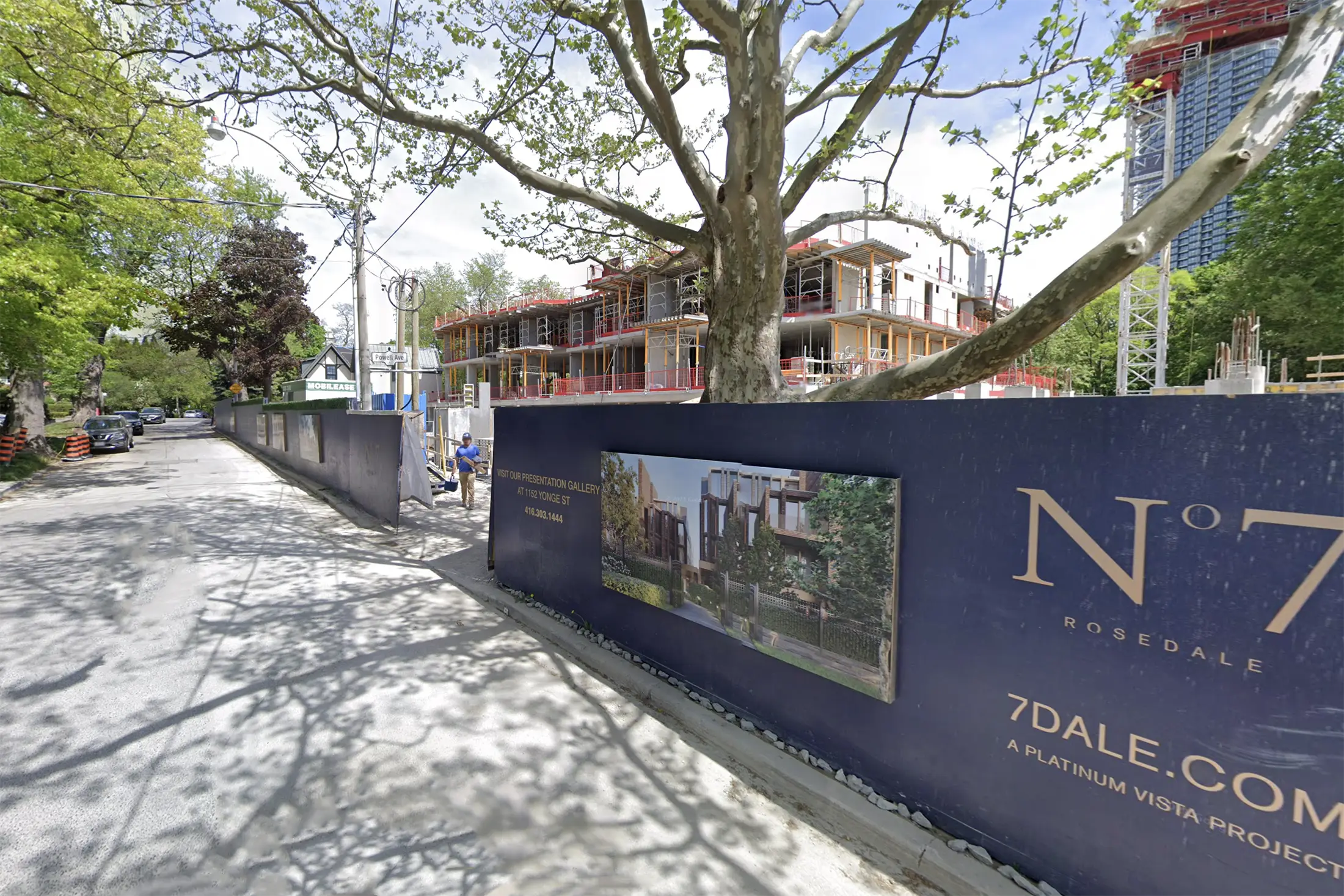
low-rise residential condo under construction at 7 Dale Ave. Toronto

Zoning by-law simplification and modernization for low-rise residential zones

FoNTRA supports the objectives of the Housing Action Plan and looks forward to participating in the upcoming consultations related to implementation of the objectives of “simplification”, “harmonization” and “modernization”.

The report notes that “A key objective of the Plan is that new development be sensitive, gradual and “fit” the existing physical character to respect and reinforce the general physical patterns in Neighbourhoods.”

We agree that this must remain the overriding objective for the consultation process, which is to begin shortly. All neighbourhoods are not all alike and their differences are important in making our City a great place to live.

Read more

man in suit on e-scooter

Planning for an e-scooter pilot

This item concerns a letter from Councillor Saxe which recommends that:

Infrastructure and Environment Committee direct the General Manager, Transportation Services, in consultation with the Toronto Parking Authority, the Executive Director, Environment and Climate, other relevant divisions, agencies, boards and commissions and key stakeholders including the Accessibility Advisory Committee, to report back to the February 2024 meeting of Infrastructure and Environment Committee on a Micro mobility Strategy as part of a comprehensive “Active Transportation Network” for the City of Toronto.

Infrastructure and Environment Committee request that the report include recommendations concerning a possible E-Scooter Rental Pilot Project with the following characteristics (list provided):

Read more