The Federation of North Toronto Residents’ Associations Incorporated (FoNTRA) is a not for profit organization now comprised of over 30 residents’ associations, located between Bloor Street, Sheppard Avenue, the Don Valley Parkway and Bathurst Street in the City of Toronto. We monitor, investigate and help solve urban planning issues, share best practices and represent common interests of our members with all levels of government.
Current Issues
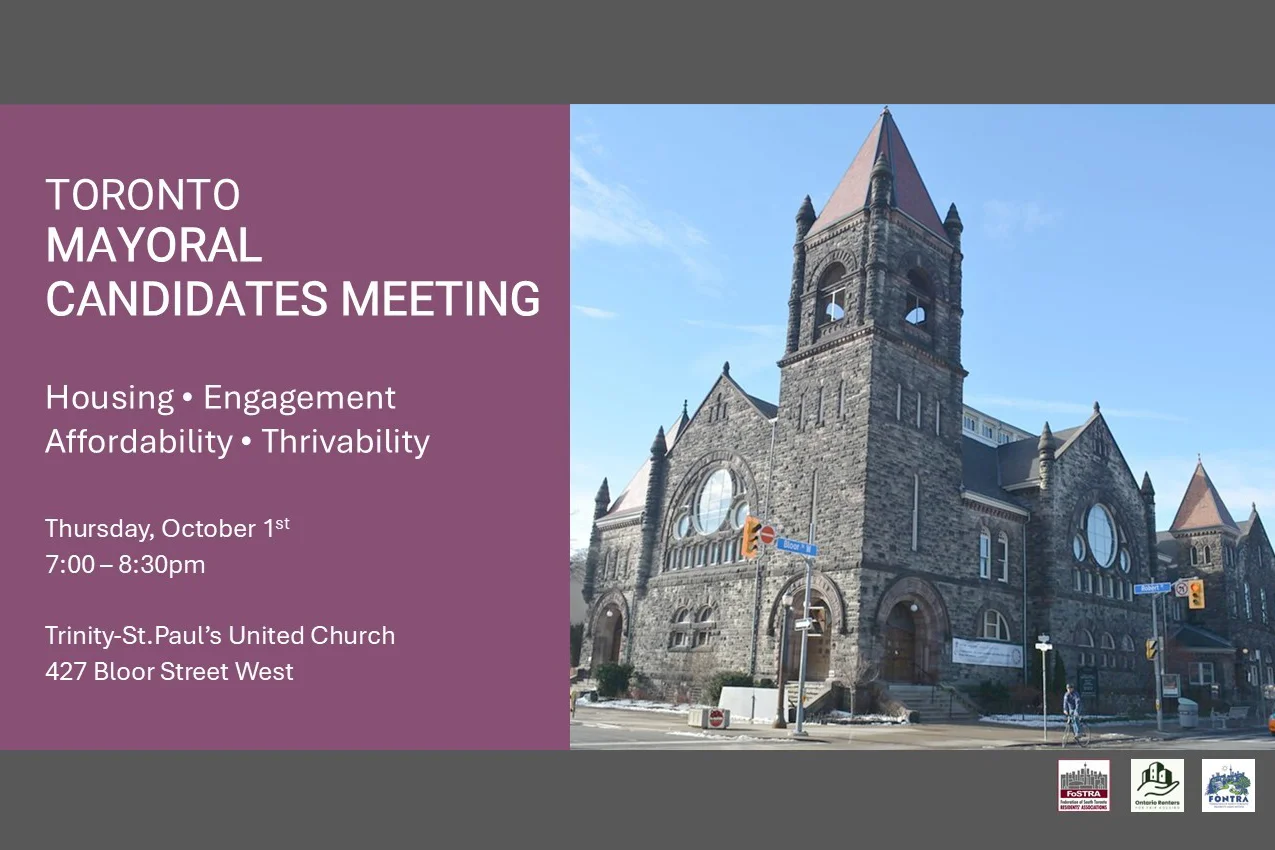
Mayoral Debate 2026
Thrive or Survive?
Thursday, October 1, 2026, 7 p.m. at Trinity-St. Paul’s United Church
Join Toronto mayoral candidates Chris Alexander, Brad Bradford and Olivia Chow for a debate on the important issues facing the residents of our city. One key issue is Thrivability … Citizens must thrive for the City to survive.
Join Toronto mayoral candidates Chris Alexander, Brad Bradford and Olivia Chow for a debate on the important issues facing the residents of our city. One key issue is Thrivability … Citizens must thrive for the City to survive.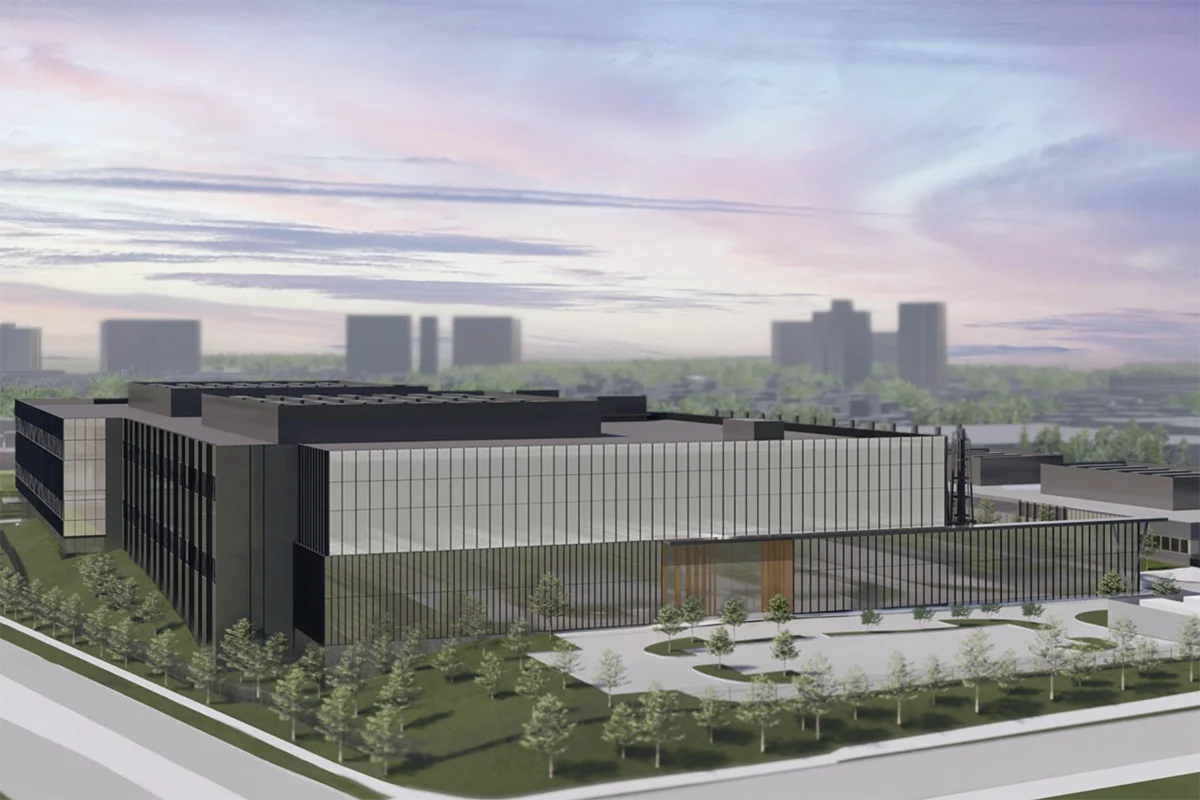
Data centres
FoNTRA strongly supports the Toronto City Council Member Motion that links a specific data centre application to the staff work directed as a result of an earlier Motion introduced by Councillor Rachel Chernos Lin and approved by City Council on March 25, 2026. Titled “Maintaining Toronto’s Climate and Energy Priorities Through the Review Process for Artificial Intelligence Data Centre Proposals,” it directed City staff to review and improve regulations around AI data centres to protect local climate, energy, and affordability goals.

Transit infrastructure capacity and development
FoNTRA strongly supports the Toronto City Council Member Motion that essentially requests the TTC to comment on development applications regarding the ability of transit to accommodate, both through station capacity and line capacity, the cumulative impacts of developments. In addition the Motion directs City staff to develop strategies for funding transit infrastructure growth requirements that support City approved development.
Addressing moribund development sites
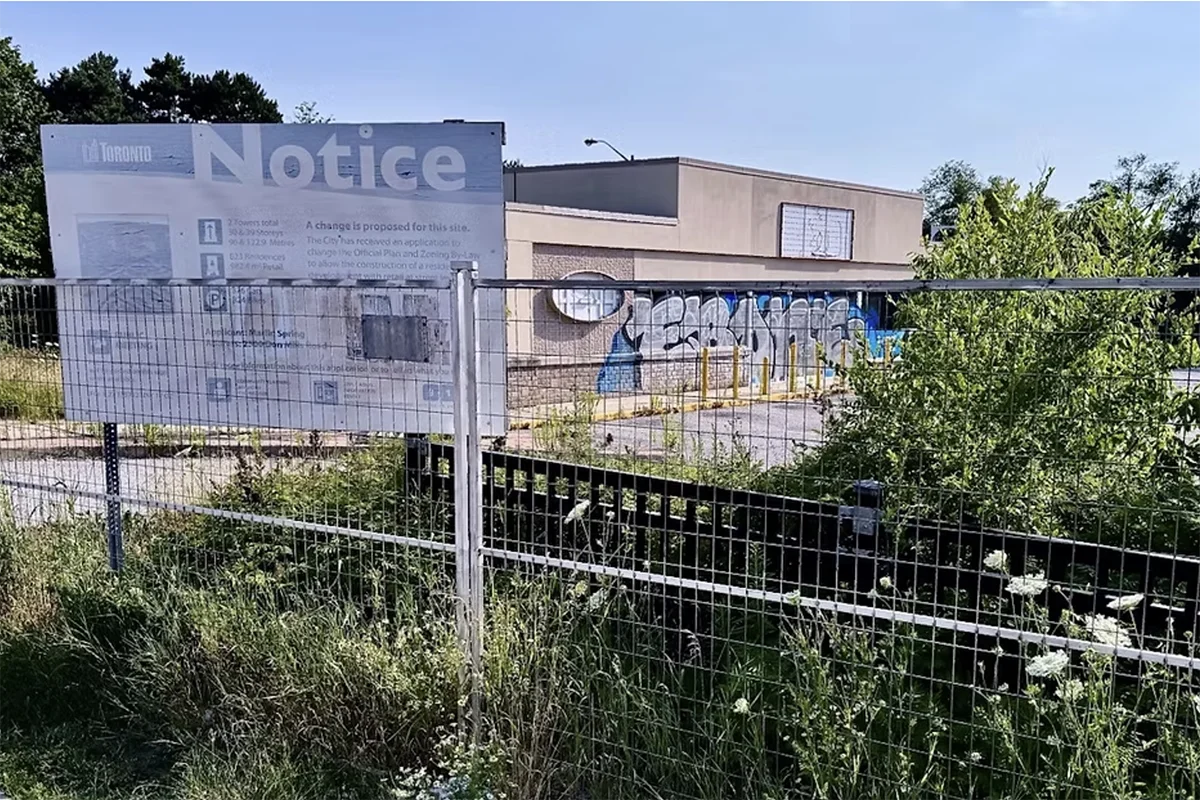
FoNTRA strongly supports the Toronto City Council Member Motion that directs staff to undertake a comprehensive review of the City’s ability to manage “moribund sites”. The City is experiencing a growing number of development sites where planning approvals have been granted, but construction has not proceeded due to broader economic conditions, financing challenges, and market uncertainty.
Comprehensive urban policy and design guidebook
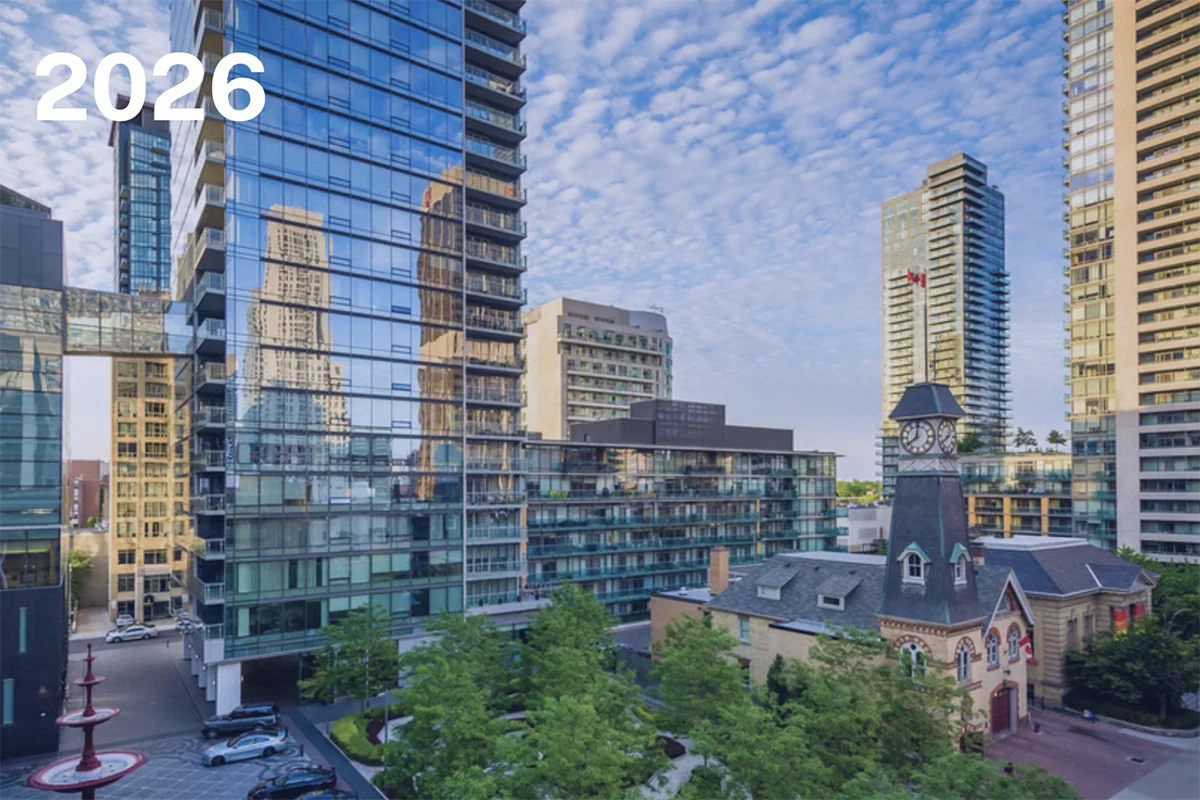
Recent redevelopment pressures are significantly reshaping neighbourhoods across Toronto, particularly around major transit corridors. In the Bayview–Eglinton area, these changes highlight several key issues related to density, affordability, transportation infrastructure, and community engagement.
The goal of the Guidebook is to draw from not only policies, but also the direct experiences and connection that the MUCP team built over the academic year 2025-26 with Bayview/Leaside residents.

Some of Toronto’s most historic buildings may be at risk of demolition as clock ticks
Almost all 3,600 listed heritage properties in Toronto — including several national historic sites, and the Gibraltar Point lighthouse — are about to lose their protection against demolition and redevelopment, because of a section in the province’s More Homes Built Faster Act, heritage experts say.